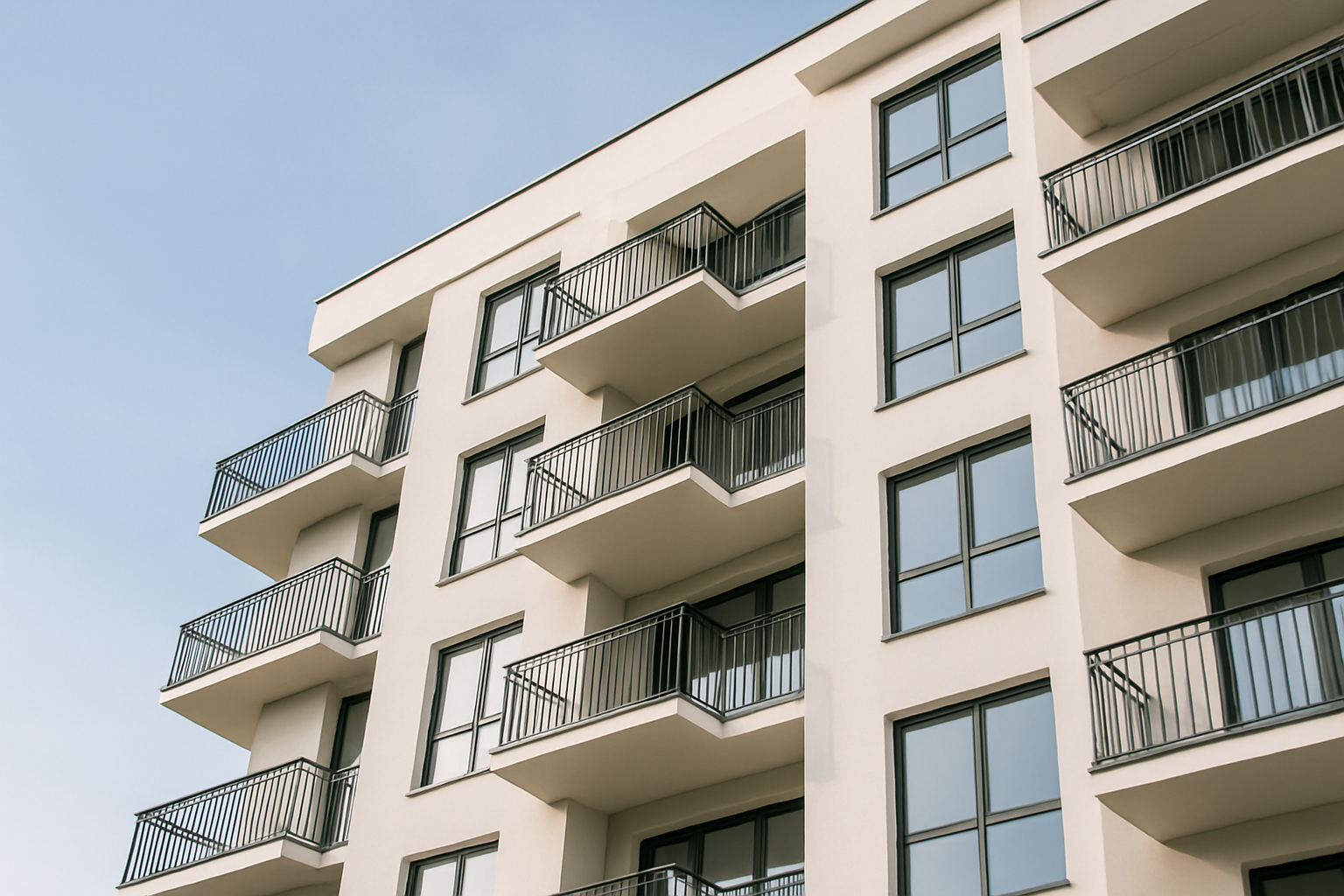
Buying an apartment in Europe can seem like a smart way to get a property in a nice location for a fair price. But if you only look at the apartment itself you might miss one of the most important parts of the deal. In many countries you do not just buy the walls and floors inside your unit. You also buy a share in the building and become part of a group that manages the common areas and long term costs. This group is called the owners association. In the Netherlands this is known as the VvE in Germany the VOW in Spain the comunidad and in France the copropriété.
These associations are responsible for things like the roof the stairs the pipes and the outside of the building. They collect money from every owner to pay for repairs insurance and future upgrades. Sometimes they work well and everything runs smoothly. But if you do not look at the financial and legal side before buying you can run into big problems later. Surprise bills and poor maintenance are more common than many buyers expect.
My Experience With Unexpected Costs
A few years ago I bought an apartment in Germany. The price was good and the place looked clean and ready. At first it seemed like a simple deal. But shortly after I moved in I was told that the roof needed to be repaired and the heating system had to be modernized. I assumed the money had already been saved but that was not the case.
Because the VOW had no reserve fund every owner was asked to pay a one time contribution. I ended up paying several thousand euros on top of the purchase price. I had no choice because the vote had already passed and the work had to be done. That experience taught me how important it is to check the financial health of the association before buying. This article is not financial advice but it is based on my personal experience and what I have learned from others who made the same mistake.
How Maintenance Is Planned in the Netherlands
In the Netherlands owners associations are expected to make a long term plan for building maintenance. This is called a Meerjarenonderhoudsplan or MJOP. It shows what parts of the building will need work in the next ten to thirty years and how much money should be saved to cover those costs. This plan is a strong tool for avoiding surprises.
If there is no MJOP or if the money in the fund is much lower than the plan suggests that means risk. You might have to pay more later when work becomes urgent. Even in countries where no MJOP is required many well managed buildings have something similar. Ask to see this plan and the current balance before buying.
Energy Upgrades and the Need for a Reserve
Across Europe there is growing pressure to make buildings more energy efficient. Many older blocks still have poor insulation old windows and heating systems that waste energy. New EU rules mean that properties need to meet better standards before 2030. That means upgrades are coming and they will not be cheap.
Some owners associations already save for this kind of work. Others do not talk about it at all. If you buy into a building that is not ready and there is no budget in place you will likely be asked to pay a share of the cost later. Things like solar panels electric heat systems new windows and roof insulation can cost tens of thousands of euros. If the building has many units the cost is shared but it still adds up quickly.
Before you buy ask if the building has a plan to improve energy performance. Also ask if there is already a budget for it and if any upgrades have been done in the past five years. If nothing has been done and no money has been saved that is something to think twice about.
Who Owns the Other Units
Another thing that many buyers overlook is the mix of owners in the building. If most apartments are owned by people who live there full time the atmosphere tends to be better and decisions are made with care. But if most units are owned by investors the situation can be different.
Investor owners often try to keep costs low. They may vote against repairs or upgrades unless they are absolutely required. If the goal is to keep monthly fees low so the rental yield looks better they might block important work and delay needed maintenance.
It also matters if many units are rented short term. This can lead to more wear and tear on the building and more complaints from full time residents. It can also make the owners meetings more difficult because short term landlords often do not show up or take part.
Try to find out how many apartments are owned by people who live there and how many are used as rentals. This gives you a better picture of what kind of decisions are made and what to expect as part of the group.
The Financial Status of the Association
One of the most important things to check is the money. Every owners association should keep financial records that show what they collect and what they spend. Ask to see the most recent financial report or overview. You want to see how much is in the reserve fund and whether there are large costs expected in the next few years.
Also check if there are unpaid bills or debts. If past owners have missed payments or if the association is in legal trouble that could affect your future costs. A weak financial position often leads to extra one time payments which can be high and come without much warning.
Ask directly if there have been extra contributions in the past. If the answer is yes and it happened more than once that can be a red flag.
What the Owners Are Planning
You should also ask for the minutes of the last meetings between the owners. These documents show what has been discussed what work is coming and how people voted on certain issues. If there is tension between owners poor communication or big projects being discussed this gives you useful insight.
You might discover that a new elevator is planned or that the facade needs repairs. You might also see signs that people are not showing up to vote or that the same issues come back every year without solutions. All of this matters because it affects your money and your comfort once you own a unit in the building.
What Monthly Fees Cover
The monthly service fee paid to the association can vary a lot. Some buildings include many things like insurance cleaning and elevator maintenance. Others only cover the basics. A low fee might sound attractive but it often means no savings and no planning. When repairs are needed you pay extra.
Make sure you understand what the monthly fee covers and how it is calculated. In some buildings the fee is based on the size of your unit. In others it is a fixed rate for every owner. Also ask if the fee has increased in recent years or stayed the same. A fee that has not changed in ten years is often too low.
Join the Conversation
Looking for advice or want to share your experience? Our community forum is the place to ask questions, learn from others, and connect with people across Europe who are also searching for affordable property. Whether it’s about financing, notaries, or renovation tips. You’re not alone. Your story might help someone else too!